Using the Cezanne exhibition as your Paris base camp
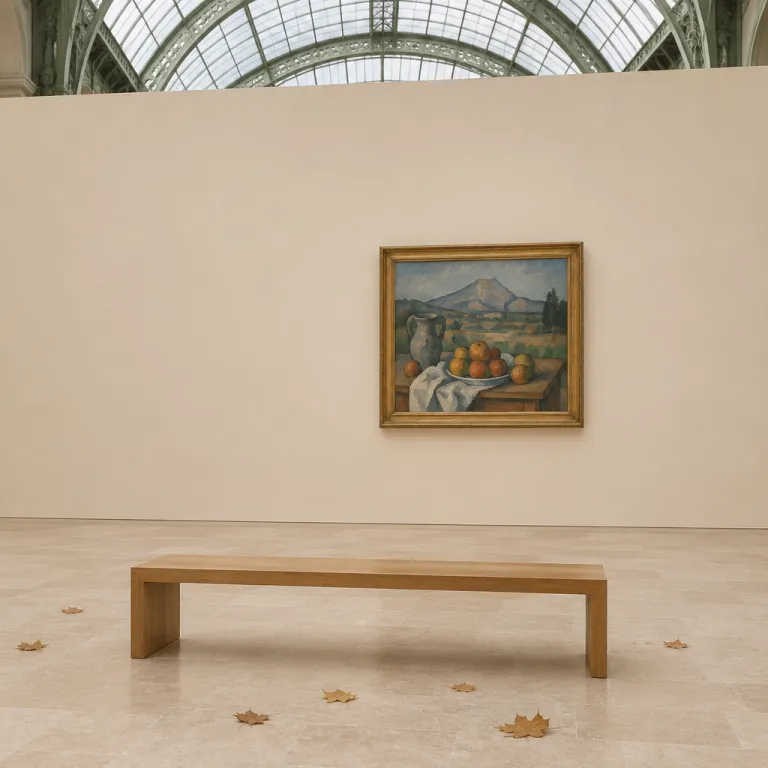
The Cezanne exhibition Paris 2026 moment will centre on “Cézanne and Us” at the Galeries nationales du Grand Palais, a major exhibition in Paris that brings nearly 180 works into one vast nave. This headline exhibition France event, hosted in the Grand Palais on avenue Winston Churchill, traces how Paul Cézanne’s works shaped modern art culture from Picasso and Matisse to Gauguin, Mondrian, Joan Mitchell, Bridget Riley and Peter Doig, turning a single exhibition into a compressed history of contemporary painting in France and beyond. For a solo traveller planning a paris exhibition run, it makes sense to treat this one museum visit as the anchor and then choose a hotel radius that lets you walk to the Grand Palais, the Musée d’Orsay, the Musée de l’Orangerie and at least one smaller paris museum in a single, coherent loop.
Staying in the 8th arrondissement near the Champs Élysées keeps you within ten minutes on foot of the Grand Palais and its Galeries nationales, the Petit Palais and the Seine footpaths that lead straight to the Left Bank museums. From a hotel on rue du Faubourg Saint Honoré or near place de la Concorde, you can reach the exhibition entrance at the Grand Palais in under fifteen minutes, then continue along the river to visit the Musée d’Orsay and the Musée de l’Orangerie without ever needing the Métro, which turns your day of exhibitions in Paris into a calm sequence rather than a sprint between stations. This side of Paris also places you close to heritage site architecture such as the Pont Alexandre III and the Palais de la Découverte building, so your route between exhibitions becomes a moving gallery of Beaux Arts façades and contemporary city life.
The alternative is to base yourself on the Left Bank, near the Musée d’Orsay and the Musée de l’Orangerie axis, and treat the Grand Palais as the northern pivot of a riverside triangle. A small hotel on rue de Lille, rue du Bac or around Saint-Germain-des-Prés keeps you close to the Musée d’Orsay collection, where the works of Van Gogh, Monet and Degas set up a powerful contrast with the later works of Cézanne and the contemporary artists in the Grand Palais show, while the Musée de l’Orangerie in the Tuileries gardens adds another layer with its Nymphéas rooms. From here, you cross the Seine via the Passerelle Léopold Sédar Senghor, walk through the Jardin des Tuileries, then reach the Grand Palais in around twenty minutes, which makes the Cezanne exhibition Paris 2026 programme feel like part of your neighbourhood rather than a special expedition.
Timing the crowds and structuring an art culture day
The “Cézanne and Us” exhibition at the Grand Palais is scheduled from 23 September to 17 January, which means the Cezanne exhibition Paris 2026 season opens just as the city’s cultural calendar restarts after summer. To handle the inevitable queues for such a flagship exhibition in Paris, buy a timed ticket in advance and aim for weekday mornings or any late opening hours, when the flow of visitors is thinner and you can stand in front of individual works without constant jostling. The organisers expect strong demand because the exhibition France programme gathers works of art that rarely travel together, so planning your visit time is as crucial as choosing your arrondissement.
Think of the day as a curve from Impressionism to contemporary art, not as a checklist of paris museum trophies. Start at the Musée d’Orsay when doors open, moving from Van Gogh and Gauguin to the early Cézanne canvases, then cross the river towards the Grand Palais for your timed slot at the main exhibition, where Paul Cézanne’s work is placed in dialogue with later artists who pushed colour and design into new territories. Finish at the Musée de l’Orangerie, where the calm of Monet’s water lilies and the compact collection of modern works offer a soft landing after the intensity of the Grand Palais galleries and the dense sequence of exhibitions Paris often demands from first time visitors.
For those tempted by immersive experiences, you can extend the Cezanne exhibition Paris 2026 theme with an evening at the Atelier des Lumières in the 11th arrondissement, where digital projections reinterpret works of art in a former foundry. While the current programme there may focus on Van Gogh or other painters rather than Cézanne, the contrast between the traditional museum display at the Grand Palais and the contemporary spectacle at Atelier des Lumières underlines how Paris uses both heritage site buildings and industrial spaces to stage its art culture. If you still have energy, smaller venues such as the Musée des Arts Décoratifs or the Musée des Beaux Arts in nearby cities can add design focused exhibitions to your itinerary, but resist the urge to cram every museum into one stay, because depth with a few works will always beat a frantic race through dozens of exhibitions.
Practical routes, coffee breaks and hotel choices for art led stays
Reaching the Grand Palais for the Cezanne exhibition Paris 2026 programme is straightforward, whether you stay in the 8th or on the Left Bank. The closest Métro stops are Champs Élysées – Clemenceau on lines 1 and 13, and Concorde on lines 1, 8 and 12, with a pleasant ten minute walk along avenue des Champs Élysées or through the Jardin des Tuileries to the exhibition entrance at the Galeries nationales du Grand Palais. If you prefer to walk from a Left Bank hotel near the Musée d’Orsay, allow around twenty minutes via the Passerelle Léopold Sédar Senghor and place de la Concorde, which keeps you above ground and lets you feel how the Seine connects each museum and each exhibition into a single, legible map.
Inside the Grand Palais area, plan a mid visit pause rather than trying to absorb nearly 180 works in one continuous push. The cafés around avenue Winston Churchill and the Petit Palais offer quieter tables than the busiest spots on the Champs Élysées, while the garden café at the Petit Palais itself is a reliable option between two exhibitions in Paris, especially if you want to reflect on how the works of Paul Cézanne sit beside the decorative arts and sculpture in that museum. If you are curious about seasonal patterns, consult a guide on the best time to visit Paris and how seasons shape your hotel stay, because the rhythm of crowds around the Grand Palais, the Musée d’Orsay and other paris museum spaces changes sharply between early autumn, the school holidays and the winter period.
This kind of stay suits the solo culture traveller who values silence in front of a single canvas more than ticking off every monument in Paris. Choose a hotel on a quiet side street rather than directly on the Champs Élysées or boulevard Saint Germain, so that after a day of exhibitions Paris feels like a city you live in, not a theme park you rush through. In the end, what you carry home from the Cezanne exhibition Paris 2026 season is not just the memory of a blockbuster at the Grand Palais, but the way the light fell on the Seine as you walked from one museum to another, the pattern of your own footsteps between works of art and the sense that Paris is, above all, a city built for looking.