Reading the Paris street: first signals of a good table
To understand where to eat in Paris like a local, start with the pavement under your feet. The real Paris food landscape is written in chalk on a café board, not in a laminated booklet waved at you near the Eiffel Tower or Sacré Coeur. Ask yourself where the locals are actually sitting, and you will already be closer to the best food than any printed guide. Think of it as reading the street before you ever read a review.
Look at the menu first; a long laminated card in five languages with photos of crepes, onion soup and every classic French cliché usually signals a tourist trap rather than a serious French restaurant. As one local answer puts it with brutal clarity, "Long laminated menu, many languages, photos = warning; short seasonal ardoise = good sign." A short list, written by hand, with a few traditional French dishes and maybe one natural wine by the glass tells you the restaurant is cooking for a neighborhood, not for passing buses. Places like Bistrot Paul Bert in the 11th or a small bistro on rue Oberkampf often follow this pattern, with lunch formulas around €20–€28 and dinner mains from roughly €22–€32.
Step back and scan the room, because the clientele reveals where you really eat Paris instead of just photographing it. If you hear mostly French around you, see couples sharing a carafe of local wine and friends arguing about football, you are probably in a place serving honest local food. When the terrace faces a monument and the host is waving a menu at every passer-by on the rue, you are in classic Paris trap territory, no matter how charming the café chairs look. As a quick checklist: handwritten board, compact menu, mixed-age crowd, and no one hustling you from the pavement usually add up to a better Paris bistro experience.
Choosing the right arrondissement for your appetite
The question is not only where to eat in Paris like a local, but in which arrondissement your hotel key should land. A food-first traveller will feel very different energy in the 11th, the Canal Saint Martin end of the 10th, or the polished streets around Palais Royal and Saint Germain des Prés. Think of each neighborhood as a different dining room in one vast French restaurant, each with its own rhythm, price point and style of classic Paris life, from casual bistros to more polished brasseries.
In the 11th arrondissement, narrow rue after rue hides wine bars, small restaurants and cafés that lean into bistronomie, natural wine and relaxed dining rather than white tablecloth fine dining. Addresses such as Septime or Clamato illustrate this new-generation Paris bistro style, with lunch menus often starting around €35–€45 and dinner tasting menus climbing higher. The Canal Saint Martin side of the 10th mixes local food from across the world with new generation Paris food counters, where a glass of natural wine might sit next to a plate of crepes or something far from traditional French cooking. If you need a practical guide to eating well without overspending, pair these areas with a resource such as this Paris budget dining guide and you will stretch every euro.
Saint Germain des Prés and the streets around Palais Royal feel more classic, with cafés that trade on history yet still serve serious French food to locals at certain hours. Here, reading the timing matters; breakfast coffee at a corner café can feel authentically local, while late night dining on a prime view terrace may slide into pure spectacle. Typical brasseries in these central districts might charge €3–€4 for an espresso on the terrace and €25–€35 for a main course. When you plan where to stay, ask whether you want to wake up near a morning market, a late night wine bar, or a postcard view of the Eiffel Tower, because each choice rewrites your daily restaurant map and your list of realistic Paris bistro recommendations.
Cafés, coffee and the quiet art of the counter
If you want to know where to eat in Paris like a local, start your day at the counter of a café rather than at a hotel buffet. Order a quick coffee standing up, watch the regulars greet the équipe by name, and you will see how a classic Paris morning actually works. This is where the line between café, bar and restaurant blurs into one continuous local dining culture, from early-morning espresso to late-night digestif.
Good cafés rarely shout; they hum, with a steady flow of locals, a short list of drinks, and maybe a few simple plates that change with the season instead of a fixed book of laminated food photos. The best places for coffee often sit one or two streets off a main rue des monuments, where the rent is lower and the clientele more local than tour group. Spots such as Coutume in the 7th or Ten Belles near Canal Saint Martin show how specialty coffee bars can anchor a neighborhood. To understand how these addresses shape a stay, look at a resource such as this piece on how the best cafés in Paris shape your stay, then walk your own neighborhood to see which details match.
Remember that in many cafés, the price of a coffee at the counter is lower than on the terrace, which subtly rewards the local habit of quick stops rather than long photo sessions. A café that serves as a morning coffee bar, a simple lunch restaurant and an evening wine bar for locals is usually a safer bet than a place that only fills when the tour buses arrive. When you see a mix of ages, a few open newspapers and a chalkboard menu that shifts between lunch and dinner, you have probably found a corner where Paris food culture still lives daily life. If you are taking photos, imagine an image caption or alt text such as "local Paris café counter with regulars and handwritten menu" to remind yourself what made the place feel authentic.
Markets, boulangeries and the signals of serious food
Reading where to eat in Paris like a local also means learning to shop like one, even if your hotel room has only a small table and no kitchen. Street markets and boulangeries redraw the city map, turning an ordinary rue into a daily dining destination. Follow the queues, the smells and the bread crusts, and you will understand more about French food than any glossy restaurant guide or list of the best boulangeries in Paris.
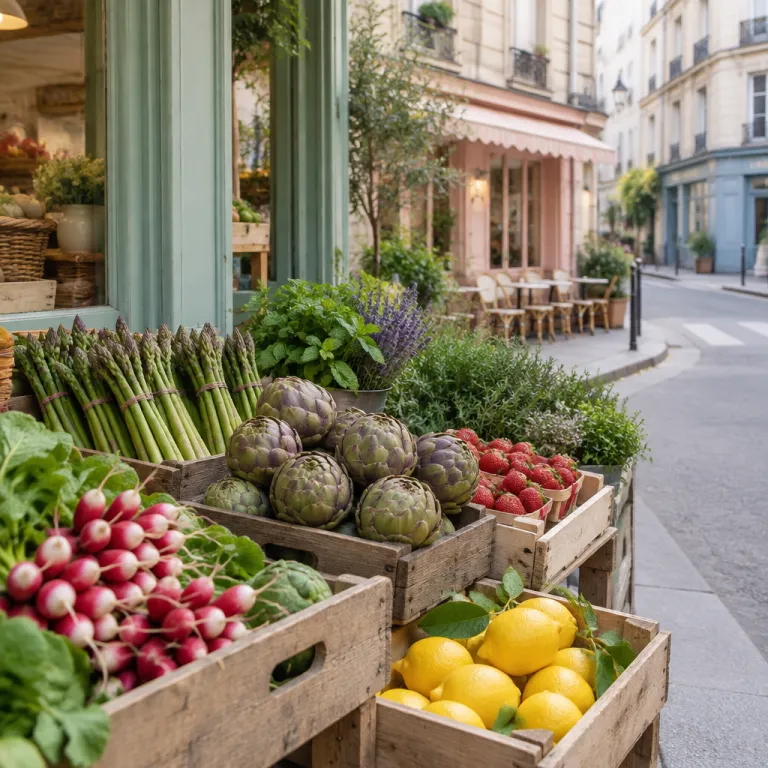
On market days, a neighborhood suddenly reveals its priorities; stalls heavy with seasonal produce, cheese and local food specialties show you where residents actually spend their money. Well-known markets such as Marché d’Aligre in the 12th or Marché des Enfants Rouges in the Marais offer a mix of fresh produce and ready-to-eat plates, with simple lunches often between €8 and €15. A boulangerie with a steady line of locals at seven in the morning, flour on the floor and bread baked on site is usually a better option than a pretty window with perfect pastries but no queue. When you see workers grabbing a sandwich, parents buying a baguette and older regulars chatting with the équipe, you are watching classic French daily dining in action.
Use these signs to balance restaurant meals with simple picnics, especially if your hotel sits near the Seine, the Champ de Mars by the Eiffel Tower or the steps below Sacré Coeur. A still warm baguette, good cheese and fruit from a market can turn any bench into a fine dining moment, without the cost or formality of a Michelin-starred room. This rhythm of one restaurant meal, one market or boulangerie meal keeps your budget flexible and your Paris food experience closer to that of locals, while quietly answering the question of where to eat in Paris on a budget without sacrificing pleasure.
Reservations, wine bars and timing your Paris days
Once you know where to eat in Paris like a local, the next step is learning when to eat there. The best small restaurants and wine bars often book out days or weeks ahead, especially in food-focused arrondissements such as the 11th or the livelier corners of the 9th. Treat reservations as part of your travel planning, not an afterthought squeezed between museum tickets, and you will unlock more interesting Paris bistro recommendations.
Many serious French restaurant teams open their online booking calendars a set number of days in advance, and the most coveted tables can vanish within hours. This is especially true for intimate rooms that flirt with Michelin-starred standards or for natural wine bars that double as dining rooms, where space is limited and locals know the drill. Popular addresses may release tables 14 to 30 days ahead on platforms such as TheFork or their own reservation systems, with two main evening services around 7:30 pm and 9:30 pm. If you are staying near Saint Germain des Prés or Palais Royal, you may find a mix of classic French brasseries that accept walk-ins and smaller addresses that require precision timing.
Balance your evenings; plan one or two structured dinners, then leave other nights open for a spontaneous glass in a wine bar or a relaxed café meal on a quieter rue des side street. Typical natural wine bars in the 11th might charge €6–€9 per glass and €10–€18 for small plates, making them ideal for flexible grazing. When choosing where to stay, consider a base that lets you walk home from dinner, such as a romantic corner of the Marais described in this guide to staying in the Marais. In the end, the most memorable meals often come not from chasing every classic Paris name, but from aligning your hotel, your neighborhood and your appetite with the city’s own timetable, not the monument schedule.
FAQ
How can I quickly spot a tourist trap restaurant in Paris ?
Tourist trap restaurants in Paris usually sit on prime corners facing monuments such as the Eiffel Tower or Sacré Coeur, with a host waving you in from the rue. Long laminated menus in several languages, photos of every dish and aggressive touting are all warning signs. A place that seems to serve only visitors and never locals at lunch is rarely where you want to eat Paris food, especially when better bistros sit just a few streets away on quieter side roads.
Which arrondissements feel most local for eating out ?
Arrondissements such as the 11th, parts of the 10th near Canal Saint Martin and some streets in the 20th tend to feel more local than the postcard center. These neighborhoods mix cafés, wine bars and small restaurants that focus on local food rather than souvenir menus. You will still find classic French dishes, but the atmosphere is more everyday Paris than classic Paris fantasy, and prices for a main course can be several euros lower than in the most touristed central squares.
Do I always need a reservation for good restaurants and wine bars ?
For popular small restaurants and serious wine bars, reservations are strongly recommended, especially for dinner and weekend dining. Larger brasseries and some cafés keep tables for walk-ins, but the most interesting rooms in food-focused neighborhoods often book out. Checking booking apps a few days ahead can save you from wandering hungry along a crowded rue des terraces, and setting alerts on restaurant booking platforms can help you catch last-minute cancellations.
How should I choose a café for breakfast near my hotel ?
Look for a café where locals stand at the counter for coffee and where the terrace is not filled only with cameras and guidebooks. A short menu, fresh pastries delivered early and staff greeting regulars by name are all good signs. If you see a mix of ages and hear mostly French, you have probably found a solid everyday café rather than a stage set, and your simple breakfast will feel closer to local Paris life than any hotel buffet.
Is it worth planning my hotel around food neighborhoods ?
For a gastronome traveller, choosing a hotel in a strong food neighborhood can transform the entire stay. Waking up near markets, boulangeries and good local restaurants means every meal, from breakfast coffee to late night wine, is within a short walk. This approach often delivers better value and more authentic French food experiences than staying directly beside a monument square, and it naturally answers the question of where to eat in Paris like a local without constant research.