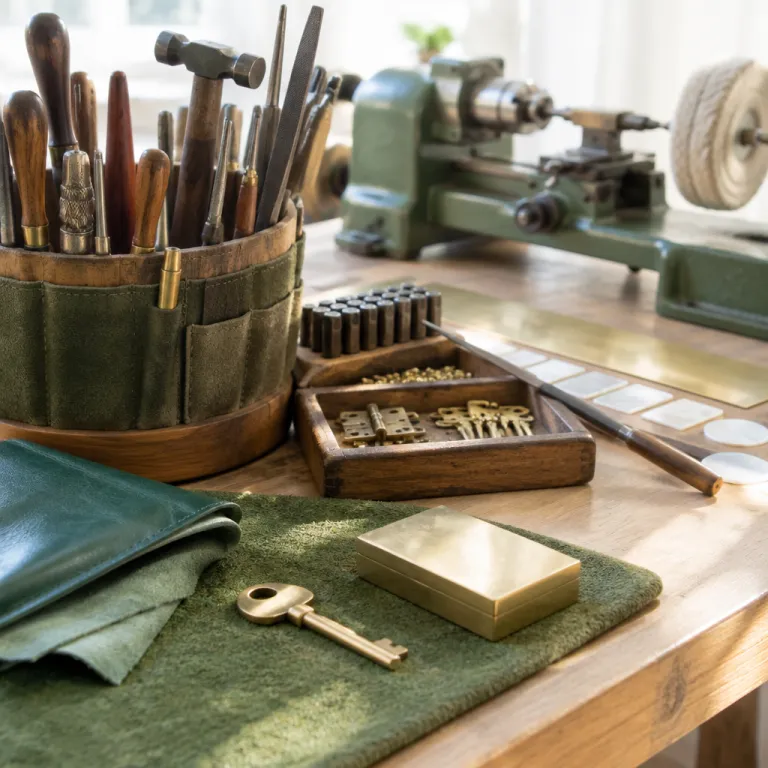
How box-makers and packers in Paris shaped a discreet art of luxury
Choosing a refined hotel in Paris, France becomes richer when you understand the city’s quiet crafts. The story of box-makers and packers in Paris in the 19th century reveals how every elegant snuffbox, travel case, and gold box once passed through expert hands that defined French standards of discretion and luxury. When you check into a Paris address today, you still feel echoes of those 19th-century French artisans in the way a key card, welcome amenity, or porcelain tray is presented.
In that period, specialist workshops around the Louvre and the Marais supplied aristocrats, merchants, and travelers with painted boxes, silver caskets, and porcelain étuis designed to protect fragile treasures. These makers worked closely with packers who understood how to arrange boxes Paris merchants shipped to London, Vienna, or Saint Petersburg, ensuring that each box and each snuffbox arrived intact despite rough roads and river transport. Their works of art were not only decorative; they were engineered containers that balanced beauty, practicality, and the demands of long journeys.
For today’s traveler choosing a hotel near the Seine or in Saint-Germain, this heritage matters more than it seems. Many high-end properties collaborate with local artisans who still craft boxes, trays, and cases inspired by gold boxes and silver-gilt snuffboxes once made for the courts of Louis XV (1710–1774) and Louis XVI (1754–1793). When a concierge presents your room key in a small lacquered box or arranges your welcome chocolates in oval gold dishes, you are seeing a modern translation of the same care that once protected snuff, jewels, and letters.
From royal snuffboxes to hotel neighborhoods: where history lives in Paris
When you stroll between the Louvre and Palais-Royal, you walk streets where gold box workshops once supplied the royal household. Under Louis XV and later under Louis XVI, commissions for snuffboxes, travel boxes, and ceremonial cases created a thriving ecosystem of gold, silver, and porcelain artisans. Many of these 18th- and 19th-century French makers left a maker’s mark on each snuffbox or box, a tiny signature that museums now use to trace their careers.
Today, several museum collections in Paris, France allow you to see these works of art before or after checking into your hotel. At the Musée des Arts Décoratifs, for example, you can study gold boxes and silver-gilt snuff boxes that once crossed between Paris and London in diplomatic trunks. One documented example is a gold snuffbox by Jean Ducrollay, Paris, circa 1750 (Musée des Arts Décoratifs, inv. 35731), whose lid is set with diamonds and rubies. Look closely at such a painted snuffbox and you will notice how the hinge, clasp, and interior compartments were designed for packers who needed to secure snuff, letters, and miniature portraits during long journeys.
Staying near these institutions changes how you experience the city. A hotel in the 1st or 2nd arrondissement places you within walking distance of collections where snuffboxes from the late 18th and 19th century are displayed alongside porcelain tea services and silver travel cutlery. After a morning among gold and silver masterpieces, returning to a quiet room with a well-arranged luggage rack and thoughtful storage feels like a contemporary echo of those historic box-makers and packers in Paris in the 19th century.
What antique boxes teach about choosing the right Paris hotel
Historic snuffbox design offers a surprisingly useful lens for evaluating hotels in Paris. A well-made snuffbox balanced exterior beauty, interior organization, and durability, just as a well-run hotel balances architecture, room layout, and service. When you compare properties, think of how gold boxes and silver-gilt cases once combined elegance with practical compartments for snuff, jewels, and documents.
In the early 19th century, packers in France handled a lot of delicate shipments, from oval gold snuffboxes to painted porcelain boxes destined for London collectors. They judged each box by its hinge strength, interior lining, and how well it protected snuff or perfume from heat and movement. You can apply the same mindset by looking at how a hotel protects your belongings, from in-room safes and luggage benches to discreet storage for valuables that might include a modern equivalent of a secure gold box.
Pay attention to small details when you tour photos or step into a lobby. Are keys, welcome notes, or amenities presented in thoughtful boxes, trays, or cases that echo the precision of 19th-century French snuffboxes? Do staff handle your luggage with the same care that historic packers once devoted to snuffbox diamonds and porcelain miniatures? These cues often reveal whether a property truly respects craftsmanship or merely imitates luxury on the surface.
Meeting today’s Paris artisans: from snuff boxes to bespoke hotel experiences
Many travelers now seek hotels that connect them with living craftspeople rather than only with monuments. In Paris, France, several concierges maintain relationships with artisans who still work with gold, silver, and porcelain, sometimes restoring antique snuffboxes or creating contemporary snuff boxes for collectors. Choosing a hotel that values these partnerships lets you experience the legacy of box-makers and packers in Paris in the 19th century in a tangible way.
Some goldsmiths in the Marais and Saint-Germain specialize in restoring gold boxes and silver-gilt snuff box lids, carefully preserving each maker’s mark and standard mark stamped by historic workshops. Others design new painted boxes or oval gold cases that reinterpret snuffbox diamond-and-ruby settings for modern jewelry or keepsake containers. When a hotel commissions such works of art as in-room amenities or as part of a curated gift guide, guests gain access to limited pieces that reflect both French heritage and contemporary design.
Ask your concierge whether the property collaborates with local ateliers that supply porcelain trays, silver key holders, or small gold box–inspired cases for amenities. Some hotels can arrange private visits where you watch artisans engrave a snuffbox, polish silver-gilt surfaces, or examine 19th-century French snuffboxes awaiting restoration. These encounters turn a simple stay into a cultural immersion, linking your room directly to the craft traditions that once served kings, merchants, and travelers crossing between Paris and London.
How to read the details: marks, materials, and hotel quality
Collectors judge antique snuffboxes by subtle clues, and you can read hotels in Paris the same way. On a gold box or silver case, experts look for a clear maker’s mark, a precise standard mark for gold or silver content, and the quality of any painted or engraved decoration. In a hotel, the equivalent signs appear in stitching on linens, the finish of porcelain bathroom fittings, and the way storage boxes or trays are crafted.
In France, hallmarking rules ensured that gold boxes and silver-gilt snuff boxes met strict standards, especially for pieces destined for the courts of Louis XV and Louis XVI or for export to London. A snuffbox with diamonds and rubies set into its lid would combine precious stones with robust hinges and carefully measured alloys, ensuring that snuff remained protected during travel. When you evaluate a hotel, look for similar consistency between glamorous elements and the underlying structure, from soundproofing to wardrobe fittings and luggage storage.
Notice whether in-room boxes, whether for tissues, amenities, or jewelry, feel solid and well finished. Do they echo the weight and precision you might see in museum displays of 19th-century French snuffboxes from the late century? If a property invests in such discreet details, it usually signals a broader respect for craftsmanship, echoing the standards once enforced by Paris guilds that oversaw box-makers and packers in Paris in the 19th century.
Curating your stay like a collection of Parisian boxes
Planning a trip to Paris can resemble assembling a collection of boxes, each holding a different experience. You choose a neighborhood, a hotel, and a set of activities, just as a collector selects a snuffbox, a gold box, and a porcelain case that together tell a story. Thinking in this way helps you prioritize properties that treat your stay as a carefully arranged work of art rather than a simple transaction.
Imagine your itinerary as a tray of boxes Paris artisans might once have prepared for a royal journey. One day could focus on a museum visit to see gold boxes, silver-gilt snuff boxes, and painted porcelain works of art, while another day explores markets and ateliers where contemporary makers still engrave a maker’s mark into modern creations. Between these outings, your hotel becomes the secure container, echoing how packers once arranged a lot of delicate snuffboxes for safe passage between Paris and London.
When selecting a property, ask how the team can help you build a personal gift guide of local crafts, from small snuff box–inspired trinkets to porcelain pieces that fit easily into luggage. A thoughtful concierge might suggest a visit to a workshop near the Opéra where artisans restore 19th-century French snuffboxes or create new oval gold cases for jewelry. By the time you leave, your suitcase may hold not only clothes but also a small, carefully wrapped box that carries the spirit of box-makers and packers in Paris in the 19th century back home with you.
Key figures and facts about Parisian box-making heritage
- According to the Musée des Arts Décoratifs in Paris, its collections include several hundred gold boxes and snuff boxes attributed to French makers active between the 17th and 19th centuries, illustrating how central this craft was to luxury trade.
- The Louvre’s Département des Objets d’Art holds one of the most significant ensembles of royal snuffboxes in France, with dozens of pieces linked to the reigns of Louis XV and Louis XVI, showing how court demand shaped Paris workshops.
- French hallmarking regulations for gold and silver were progressively standardized from the Ancien Régime onward, and by the 19th century most luxury boxes carried a maker’s mark and standard mark, which modern experts use to date and authenticate pieces.
- Published catalogues from the Musée des Arts Décoratifs and the Louvre reproduce specific snuffboxes with detailed inventory numbers, allowing visitors to connect individual works of art with named Parisian goldsmiths and documented commissions.
- Exhibition catalogues on French decorative arts note that snuffbox and gold box displays form a key part of the visitor route in major Paris museums, encouraging travelers to combine cultural visits with stays in nearby boutique hotels in central arrondissements.
FAQ about Paris hotels and historic box-making culture
Which Paris neighborhoods best reflect the heritage of historic box-makers?
Areas around the Louvre, Palais-Royal, and the Marais concentrate former goldsmith and decorative arts districts, so staying in the 1st, 2nd, 3rd, or 4th arrondissement places you close to streets where gold boxes, snuffboxes, and porcelain cases were once produced and traded.
Can I see historic snuff boxes and gold boxes during a hotel stay in Paris?
Yes, major institutions such as the Louvre and the Musée des Arts Décoratifs display 18th- and 19th-century French snuff boxes, silver-gilt cases, and painted porcelain boxes, and many central hotels are within a short walk or metro ride of these collections.
Do Paris hotels collaborate with local artisans inspired by antique boxes?
Some higher-end properties commission goldsmiths, porcelain makers, or leatherworkers to create custom trays, boxes, and amenities, so it is worth asking the concierge whether the hotel partners with ateliers that restore or reinterpret historic snuffbox designs.
How can I bring home an authentic craft object related to this tradition?
Look for reputable antique dealers, museum shops, or contemporary artisans who clearly explain materials, hallmarking, and maker’s marks, and consider asking your hotel for a curated gift guide that highlights trustworthy addresses rather than relying on generic souvenir shops.
Is it possible to arrange a workshop visit focused on gold or porcelain work?
Concierges at well-connected Paris hotels can sometimes organize private visits or small group tours to studios where artisans work with gold, silver, or porcelain, offering a direct view of techniques once used for snuff boxes and travel cases.
Sources
Musée des Arts Décoratifs (Paris); Musée du Louvre, Département des Objets d’Art; Réunion des Musées Nationaux – Grand Palais publications on French decorative arts; auction catalogues from Sotheby’s and Christie’s on 18th- and 19th-century gold boxes.