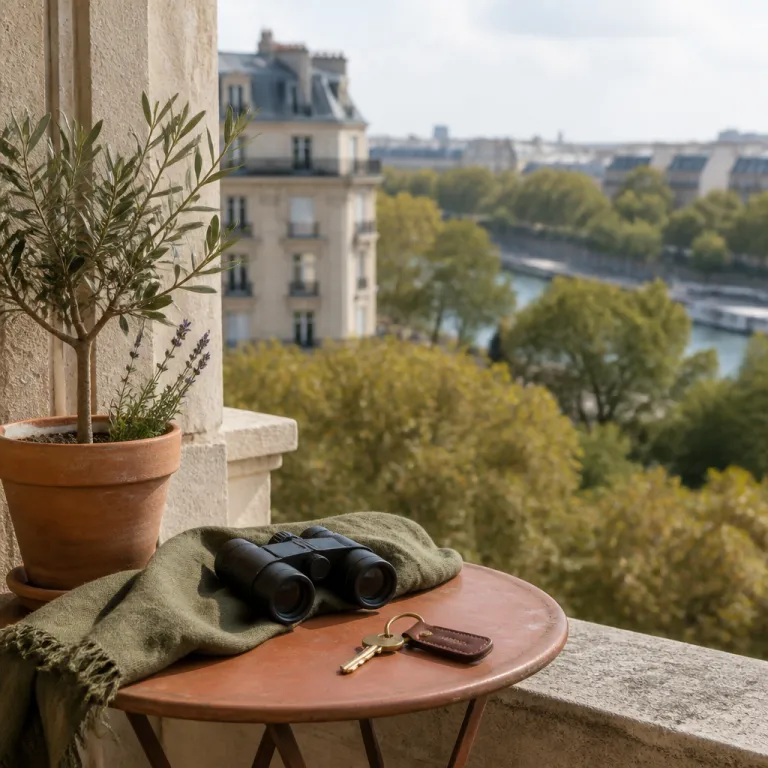
Choosing a hotel near the best parks and gardens in Paris
For travellers planning to visit Paris, choosing a hotel near green spaces transforms the stay. When you wake up steps from a serene park or historic garden, the city feels softer, slower, and perfectly balanced between sightseeing and rest. This is why understanding how the best parks and gardens in Paris relate to hotel locations is essential for anyone who wants calm nights and easy daytime walks.
Paris is a compact city, yet its parks and gardens are spread in distinct districts that each offer a different hotel atmosphere. Around the Jardin du Luxembourg, for example, you find elegant Left Bank streets, while near Parc des Buttes-Chaumont the mood is more bohemian and residential. When you match your hotel to a specific park Paris neighbourhood, you gain both a daily jogging route and a clear sense of local life.
Many visitors focus only on monuments such as the Eiffel Tower or Notre Dame, but the smartest hotel choices often start with a map of parks Paris maintains. If you shortlist properties by walking distance to at least one major garden or parc, you secure a natural escape from crowds after each museum visit. This approach is especially valuable for longer stays, when access to parks and gardens becomes as important as metro lines or restaurant density.
How green spaces shape your Parisian hotel experience
Staying near the great gardens Paris is not just about pretty views from your room. These spaces influence noise levels, air quality, and even the type of cafés and squares that cluster around them. A hotel beside a family friendly playground will feel different from one facing a formal royal garden framed by arcades and statues.
In central districts, the best parks and gardens in Paris act as outdoor lounges for nearby hotels, giving guests informal extensions of their lobbies. You can pick up a coffee, cross a single street, and suddenly be seated on a green lawn or a quiet jardin bench. For travellers who work remotely or study, these parks become open air offices, making the choice of neighbourhood even more strategic.
When you plan to visit Paris for several days, consider how often you will want a quick escape from the city’s intensity. A room near a parc or garden lets you reset between museum visits, especially in high season when queues and heat can be tiring. This balance between urban energy and natural calm is what makes Parisian parks and gardens such powerful anchors for hotel decisions.
Staying around Jardin du Luxembourg and the Left Bank
The Jardin du Luxembourg is one of the most refined green spaces in Paris, and staying nearby suits travellers who value elegance and quiet. Commissioned by Queen Marie de' Medici and later expanded, this 23 hectare garden offers gravel promenades, statues, and the famous Medici Fountain. For hotel guests, it functions as a vast private courtyard where morning jogs, afternoon reading, and sunset strolls all feel effortlessly Parisian.
Rooms around Jardin du Luxembourg place you between the academic energy of the Sorbonne and the chic streets of Saint Germain. This part of the city is ideal if you want to walk to cafés, bookshops, and the Seine while still returning to a calm park Paris setting each evening. Many travellers who visit Paris regularly name this area as their favorite compromise between central location and residential charm.
Families appreciate that the garden includes a celebrated playground, pony rides, and a vintage carousel, making it one of the best parks and gardens in Paris for children. Couples, on the other hand, gravitate to the metal chairs around the bassin, where sailboats glide across the water. Whether you prefer the formal parterres or the wilder orchard sections, this jardin offers enough variety to feel new every day of your stay.
Linking Luxembourg to riverside escapes along the Seine
From hotels near Jardin du Luxembourg, you can walk down to the Seine in about fifteen minutes, passing through historic streets that reveal the layered character of the city. Typical routes lead via Odéon or Saint-Michel, with metro access at Luxembourg (RER B) and nearby lines 4 and 10. This makes it easy to pair leafy afternoons in the garden with riverside evenings, especially if you plan a Seine cruise or dinner boat.
Guests who love both parks and rivers often choose this Left Bank base because it offers quick access to the river without sacrificing proximity to a major jardin. You can spend the morning under chestnut trees, then descend to the quays for golden hour views of Notre Dame and Île de la Cité. This dual access to water and greenery is rare in other European capitals, and it is a defining strength of Parisian urban planning.
When you compare hotels in this area, pay attention to walking distances not only to Jardin du Luxembourg lawns but also to the nearest Seine footbridge. A difference of just 300 or 400 metres can change how often you actually use the riverbanks during a busy itinerary. For travellers who value spontaneous evening walks, that small detail can turn a good location into a truly exceptional one.
Historic heart: Tuileries, Palais Royal and riverside escapes
In the very centre of Paris, the Tuileries Garden and the Palais Royal form a grand axis of green that suits travellers who want to be near the Louvre and the Seine. Redesigned by André Le Nôtre, the Tuileries stretch over about 25 hectares, offering long allées, fountains, and chairs that face both the Louvre and the river. Hotels here place you within a short walk of some of the best parks and gardens in Paris while keeping every major museum within easy reach.
The Palais Royal, with its intimate jardin and arcaded square, feels like a secret garden hidden behind stone façades. Staying near this royal courtyard gives you a quieter base than the main avenues, yet you remain minutes from the riverbanks and the historic bridges. For many repeat visitors, this combination of discreet charm and central access makes the area a favorite for longer stays.
From these hotels, you can reach the Seine in just a few minutes, turning the river into your daily promenade route. The quays between the Louvre and Notre Dame are particularly pleasant for evening walks, with views that shift from grand façades to Gothic towers. This is also an excellent base if you plan to visit Paris for art and culture, since you can move easily between museums, gardens, and riverside cafés.
Balancing monuments, parks and hotel comfort
Choosing a room near the Tuileries Garden means you can step out of the Louvre and be seated by a fountain within ten minutes. Metro stations such as Tuileries, Palais Royal–Musée du Louvre, and Concorde keep the rest of the city close, while the shade of the trees and the breeze from the Seine offer natural relief on hot days. It also allows you to break long museum visits into shorter sessions, returning to your hotel or the garden whenever you need a pause.
Travellers who prioritise views might prefer upper floor rooms that look toward the jardin or the river rather than busy streets. Even if your window does not face a park directly, being within a few hundred metres of a major parc changes how you structure each day. You can plan early morning walks before crowds arrive, then use the central location to reach other parks Paris offers by metro or on foot.
When comparing properties in this historic heart, consider how the built environment around each hotel shapes your experience of light and noise. A room facing an internal courtyard may be quieter, but one overlooking a square or garden can feel more connected to Parisian life. In this area, the interplay between architecture, parks and gardens, and the Seine creates a uniquely layered stay that rewards careful planning.
Rive Gauche and student life: parks for longer academic stays
Many guests come to Paris for extended study programmes, language courses, or research, and for them proximity to calm green spaces is crucial. Areas around Jardin du Luxembourg, Parc Montsouris, and the quieter sections of Saint Germain offer a rare blend of academic energy and restful parks. If you are comparing districts for a semester or multi month stay, these neighbourhoods deserve close attention.
Parc Montsouris, in the south of the city, is a gently sloping parc with a lake, lawns, and winding paths that attract joggers and students from nearby universities. Its atmosphere is more relaxed than the formal royal gardens, making it one of the best parks and gardens in Paris for everyday use. Hotels and long stay residences here tend to be more residential in character, which suits guests who want to feel part of a local community.
For those balancing lectures, internships, and sightseeing, having a park Paris location nearby can significantly improve concentration and sleep quality. You can revise notes under trees, then walk back to your room in under ten minutes, avoiding long commutes. This rhythm is especially valuable during exam periods, when a quick loop around the jardin can clear your mind more effectively than any café break.
Choosing the right area for study focused stays
If your main reason to visit Paris is academic, it is worth studying a detailed guide on hotels for studying abroad in Paris universities and how to choose the right area. Such resources help you weigh factors like library access, metro lines, and the distance to parks and gardens that support daily wellbeing. When you cross reference this information with a map of gardens Paris maintains, you can quickly identify the most balanced neighbourhoods.
Saint Germain remains a classic choice, with its mix of cafés, bookshops, and easy access to both Jardin du Luxembourg and the Seine. Students and researchers often appreciate being able to move between libraries, riverside quays, and the jardin without relying on public transport. This freedom to walk everywhere makes the area feel like a campus woven into the historic city.
Further south, near Parc Montsouris, the atmosphere is quieter and more residential, with tree lined streets and fewer tourists. Here, the parc itself becomes a daily anchor, ideal for running, picnics, or simply sitting on the grass between classes. For long stays, this kind of routine connection to a nearby garden can be just as important as room size or desk space.
Eastern escapes: Parc des Buttes Chaumont, Parc Floral and Bois de Vincennes
Travellers who prefer wilder landscapes often choose hotels near Parc des Buttes Chaumont, Parc Floral, or the Bois de Vincennes. These eastern parks offer a striking contrast to the formal symmetry of central gardens, with cliffs, lakes, and extensive woodland. They are among the best parks and gardens in Paris for guests who value long walks, running routes, and a sense of escape from the dense city.
Parc des Buttes Chaumont, transformed under Baron Haussmann and featuring a suspension bridge often linked with Gustave Eiffel’s engineering era, is one of the most dramatic parks Paris offers. Its steep paths, grotto, and hilltop temple create cinematic viewpoints over the city, including distant glimpses of Sacré Coeur. Hotels in the surrounding streets tend to be more local in feel, giving visitors a taste of everyday Parisian life away from the main monuments.
Further east, the Parc Floral and the wider Bois de Vincennes form a vast green complex with botanical collections, lakes, and cultural venues. Staying near this area suits travellers who plan to run, cycle, or simply spend long hours in nature during their visit Paris. It is also a practical choice for families, since the open spaces and playground areas give children room to move after days of sightseeing.
How eastern parks shape your stay
Choosing a hotel near Parc des Buttes Chaumont or Parc Floral means accepting a slightly longer metro ride to central monuments in exchange for quieter nights and expansive greenery. For many guests, this trade off is worthwhile, especially during peak seasons when central districts feel crowded. You can spend mornings exploring the parc des Buttes slopes, then head into the city centre for museums and dining.
In the Bois de Vincennes, hotels and guesthouses often feel almost suburban, yet you remain within the official limits of Paris. The park itself covers roughly 995 hectares, making it the largest green space in the city and a major counterpart to the Bois de Boulogne on the western side. For runners training for events or travellers recovering from long flights, such access to large scale parks and gardens can be transformative.
When evaluating options in these eastern districts, look carefully at walking distances between your hotel, the nearest parc entrance, and the closest metro station. A few extra minutes on foot can be pleasant when the route passes through tree lined streets and local squares. Over a week long stay, these daily walks become part of your personal map of Paris, linking your room to some of the city’s most atmospheric green spaces.
Iconic views: Champ de Mars, Parc Monceau and riverside perspectives
For many first time visitors, waking up near the Eiffel Tower is a dream, and the Champ de Mars park turns that dream into a daily reality. This long lawn, framed by avenues of trees, is one of the best parks and gardens in Paris for postcard worthy views. Hotels around it offer quick access to both the monument and the Seine, making it easy to combine riverside walks with park picnics.
On the Right Bank, Parc Monceau provides a different kind of elegance, with curved paths, follies, and a more intimate scale than the grand royal gardens. Staying near this parc suits guests who want a refined residential atmosphere while remaining a short metro ride from the river and central museums. Many travellers consider it a favorite precisely because it feels like a neighbourhood garden rather than a major tourist site.
From both Champ de Mars and Parc Monceau, you can reach the Seine within a reasonable walk, turning the river into a natural extension of your chosen park Paris base. This combination of water and greenery is particularly appealing in the early morning and late evening, when light softens and crowds thin. For photographers and walkers, few cities offer such a rich interplay between monuments, parks, and riverside perspectives.
Connecting northern hills and sacred views
Further north, the area around Sacré Coeur and Montmartre offers steep streets rather than large formal parks, yet it still connects meaningfully to the city’s green network. From hotels on the hill, you can descend toward smaller squares and gardens, then continue to the river by metro or on foot. This route reveals how varied the parks and gardens of Paris can be within a relatively small radius.
Guests who split their stay between a Left Bank jardin and a Right Bank parc often gain a deeper understanding of the city’s geography. You might begin near Jardin du Luxembourg, then move to a property by Parc Monceau or close to Champ de Mars for a second perspective. This strategy works especially well for longer trips, allowing you to experience both academic and monumental sides of Parisian life.
Whichever district you choose, remember that the best parks and gardens in Paris are not only destinations but also daily companions. They shape your routes to the metro, your choice of café terraces, and even the rhythm of your mornings and evenings. When you align your hotel with a favourite garden, parc, or riverside stretch, the entire city feels more coherent and welcoming.
Key figures on Parisian parks and gardens
- Paris counts more than 400 parks and gardens across the city, giving hotel guests frequent access to green spaces within walking distance of most districts (Nomado Travel, based on City of Paris data).
- The Jardin du Luxembourg covers approximately 23 hectares, making it one of the largest central gardens Paris offers and a major asset for hotels in the surrounding streets (The Parisian Guide, referencing official figures).
- The Tuileries Garden extends over about 25 hectares between the Louvre and the Place de la Concorde, providing a crucial green corridor for visitors staying in the historic heart (The Parisian Guide).
- Parc des Buttes Chaumont also spans roughly 25 hectares, offering dramatic topography and long walking routes for guests based in the north eastern districts (The Parisian Guide).
- The Bois de Vincennes covers close to 995 hectares, while the Bois de Boulogne on the western edge of Paris extends over about 845 hectares, making them the two largest parks Paris maintains (The Parisian Guide, based on City of Paris data).
- The Gardens of Versailles, while outside Paris proper, cover around 800 hectares and illustrate the grand scale of French royal garden design that inspired many Parisian parks (The Parisian Guide).
FAQ about parks, gardens and hotel stays in Paris
What is the largest park in Paris and should I stay nearby ?
The largest park in Paris is the Bois de Vincennes, located on the eastern edge of the city and offering extensive woodland, lakes, and sports facilities. Staying nearby suits travellers who prioritise running, cycling, and long walks over immediate access to central monuments. You can reach the river and inner city gardens by metro, but your daily environment will feel more like a vast urban forest.
Are Paris parks free to enter for hotel guests ?
Most Paris parks are free to enter, regardless of where you stay or how long your visit lasts. Some specialised areas within larger parks, such as certain botanical sections or events at Parc Floral, may charge modest fees. For everyday walks, picnics, and playground visits, you can simply enter and enjoy the space without tickets.
Which Paris park has a suspension bridge and what is nearby ?
Parc des Buttes Chaumont features a suspension bridge that crosses its dramatic ravine, associated with nineteenth century engineering innovations. Hotels in the surrounding neighbourhood give you easy access to this parc, as well as to local cafés and viewpoints over the city. It is an excellent base if you want a more residential atmosphere while still reaching central gardens and the Seine by metro.
Where can I find the Medici Fountain and good hotel options ?
The Medici Fountain is in the Jardin du Luxembourg on the Left Bank, a garden commissioned by Queen Marie de' Medici. The streets around this jardin and nearby Saint Germain offer a wide range of hotels, from discreet addresses on side streets to larger properties on main boulevards. Staying here gives you daily access to one of the best parks and gardens in Paris, as well as quick walks to the Seine.
Is there a park near the Louvre Museum that suits families ?
Yes, the Tuileries Garden is adjacent to the Louvre and includes lawns, fountains, and a well equipped playground that families appreciate. Hotels around this area allow you to move easily between museum visits and outdoor breaks, which is especially helpful with children. You can also walk from the Tuileries to the Seine and onward toward Notre Dame, creating a varied yet compact day of sightseeing.
Trusted references for further planning
For deeper background on Parisian parks and gardens, consult the official Paris tourism office, the City of Paris green spaces pages, the French Ministry of Culture’s heritage resources, and detailed city guides such as The Parisian Guide.