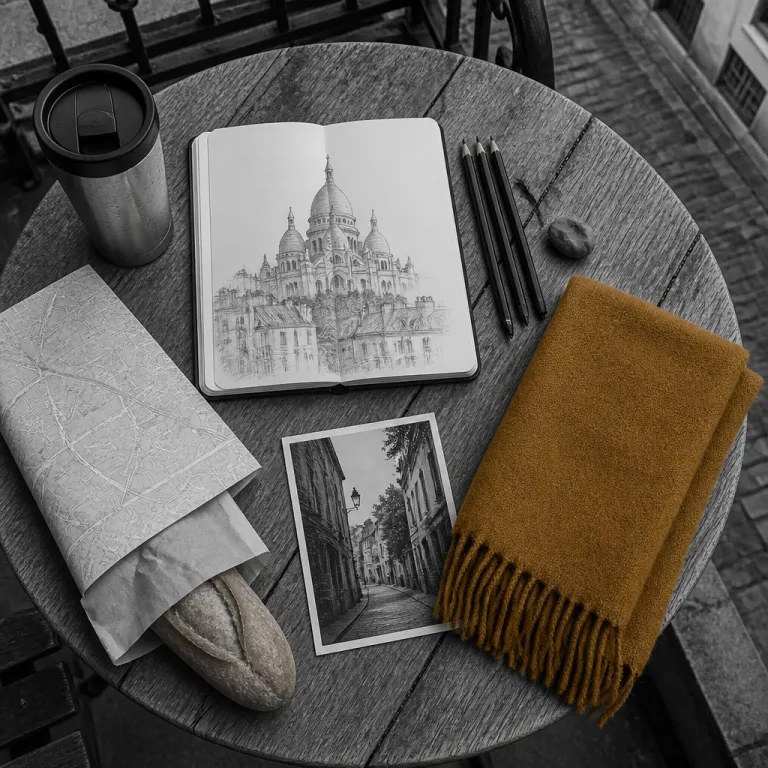
Why Montmartre is the most atmospheric base for hidden gems in Paris France
Montmartre feels like a village suspended above Paris city, with winding rues and staircases that slow your pace. For travellers seeking the best balance between romance and authenticity, this hilltop arrondissement offers a beautiful contrast to the grand boulevards closer to the Arc de Triomphe and the Eiffel Tower. You stay close enough to visit every famous museum in France, yet your own street remains a quiet corner where neighbours still greet each other by name and the smell of fresh baguettes drifts out of the boulangerie each morning.
Many first time visitors focus only on the lower city and miss the quiet places that make Montmartre one of the most rewarding off beat areas in Paris France. Around Rue des Abbesses and Rue des Trois Frères, you find intimate hotels tucked behind courtyards, each a few minute walk from cafés where you can watch the day unfold over a café crème. These streets are ideal when you want to explore the big things Paris is known for, then retreat to a calm base that feels like your own quartier.
From this hill, you can see the Eiffel Tower, the dôme of the Panthéon in the Latin Quarter, and even the towers of Notre Dame on a clear day. Yet the real treasures Paris offers here are smaller: a tiny square shaded by plane trees, a hidden passage, a steep rue lined with ivy covered façades. Choosing a place to stay in Montmartre means you sleep inside one of the most atmospheric neighbourhoods the city still protects from heavy tour bus traffic.
Hidden stays around rue des Abbesses and the quiet side of Sacré Coeur
The streets around Rue des Abbesses form the beating heart of Paris hidden village life on the hill. You can find discreet hotels on side streets like Rue des Trois Frères or Rue des Martyrs, where a minute walk brings you to bakeries, wine bars, and some of the best small restaurants in the city. This is where many long term visitors start their first hotel night before moving to an apartment, and guides to moving to Paris as an expat often recommend this arrondissement for its balance of charm and practicality.
Stay near the back of the Sacré Coeur basilica rather than the crowded front steps if you want a truly tucked away address. On Rue Saint Rustique and Rue du Chevalier de la Barre, you find some of the most beautiful perspectives in Montmartre, with cobblestones underfoot and almost no traffic during the day. From here, you can visit major places like the Louvre museum or the Jardin du Luxembourg in under thirty minutes by métro, then return to a peaceful base that feels a world away from central Paris city noise.
For travellers comparing lesser known quarters in Paris France, this pocket of Montmartre offers excellent value for the time you spend in transit. You are still in the 18ᵉ arrondissement, but the atmosphere feels closer to a small town in northern France than to a capital city. When you walk home at night past glowing café windows and quiet rues, you understand why many consider this one of the best places to stay for a slower, more intimate experience of things Paris does best.
Canal Saint Martin, Buttes Chaumont and the north eastern arc of hidden gems
Travellers who love Montmartre often fall for the north eastern curve of Paris hidden neighbourhoods along Canal Saint Martin and Parc des Buttes Chaumont. From a hotel on the eastern side of the hill, you can reach Canal Saint Martin in about a fifteen minute walk, crossing streets where colourful street art decorates shutters and bridges. This area offers some of the best places to stay when you want easy access to both lesser known corners Paris keeps slightly off the classic tour routes and to festive winter events such as the Christmas markets, which are covered in detail in guides on where to stay for Paris Christmas markets.
Along Canal Saint Martin, you find a different kind of hidden gem in Paris France, with iron footbridges, tree lined quays, and cafés that spill onto the water’s edge. Hotels here are ideal if you want to visit Montmartre by day, then return to a more contemporary scene in the evening, with natural wine bars and creative bistros. The canal itself runs through several arrondissements, giving you quick access to both the 10ᵉ and 19ᵉ, where Parc des Buttes Chaumont offers one of the most beautiful green spaces in the city.
Parc des Buttes Chaumont is often described as one of the great secret parks of Paris city, even though locals know it well. Its steep paths, lake, and dramatic viewpoints make it a favourite place for picnics, morning runs, and quiet reading time under trees. From a Montmartre base, you can visit this park, stroll along Canal Saint Martin, and still be back on your hilltop terrace in time to watch the Eiffel Tower sparkle in the distance.
Latin Quarter, Jardin du Luxembourg and Left Bank escapes from a Montmartre base
Staying in Montmartre does not mean sacrificing access to the Left Bank, the Latin Quarter, or the Jardin du Luxembourg. With direct métro lines, you can leave your hidden hotel on the hill and reach the Latin Quarter in about twenty five minutes, stepping into a different layer of Paris city history. This makes Montmartre one of the best strategic places for travellers who want to visit both the classic monuments and the quieter backstreet discoveries in Paris France without changing hotels.
The Latin Quarter offers narrow rues, bookshops, and cafés that feel timeless, while the Jardin du Luxembourg remains one of the most beautiful parks in the city. Many visitors consider the Jardin des Plantes and the Jardin du Luxembourg as complementary green gems Paris offers on the Left Bank, each with its own character. From your Montmartre base, you can plan a day that includes a morning stroll in the Jardin du Luxembourg, an afternoon museum visit, and an evening drink back on Rue des Abbesses.
Notre Dame and the Île de la Cité sit between these Left Bank treasures and the Right Bank, forming a natural bridge between different faces of the city. Even while the cathedral undergoes restoration, the surrounding streets remain a fascinating place to visit, with views along the Seine that remind you why Paris is often called the most beautiful city in France. Returning to Montmartre at night, you trade the river’s reflections for hilltop panoramas, keeping both the famous and the more hidden sides of Paris within easy reach.
From Rue Crémieux to La Butte aux Cailles : colourful streets beyond Montmartre
Once you have settled into a hidden stay in Montmartre, you can use your time to explore other colourful streets that feel like cousins to the hill. Rue Crémieux, near Gare de Lyon, is one of the most photographed rues in Paris, with pastel façades that look almost Mediterranean. While it is no longer a secret spot in the strict sense, visiting early in the day lets you appreciate its charm before the city fully wakes.
Further south, the quartier of La Butte aux Cailles in the 13ᵉ arrondissement offers another of the true hidden enclaves in Paris France. Its low houses, cobbled streets, and abundant street art create an atmosphere that feels far from the busy avenues nearby, making it a favourite place for those who love to find quieter corners of the city. From Montmartre, you can reach La Butte aux Cailles by métro in under forty minutes, turning it into a rewarding half day excursion.
Both Rue Crémieux and La Butte aux Cailles show how diverse Paris hidden neighbourhoods can be, even within a relatively compact city. They complement the more famous sights like the Eiffel Tower, the Arc de Triomphe, and the major museum districts, giving you a fuller sense of how people actually live. Returning to your Montmartre hotel after such outings, you carry with you a mental map of lesser known places Paris scatters across its arrondissements, each one adding depth to your stay.
Choosing the right Montmartre base for hidden gems across Paris city
When you choose a hotel in Montmartre, think first about how you like to move through a city. If you enjoy walking, look for a place within a five minute walk of a métro station such as Abbesses, Lamarck Caulaincourt, or Anvers, which connect you quickly to the Latin Quarter, Canal Saint Martin, and the main museum areas. For a detailed breakdown of central neighbourhoods, many travellers consult guides on the best hotels in Paris city centre before narrowing their search to Montmartre.
Rooms on higher floors often offer the most beautiful views, sometimes stretching from the Sacré Coeur dome to the Eiffel Tower and beyond. However, if you prefer quiet nights, consider a hidden courtyard facing room rather than one directly on a busy rue, especially near Place du Tertre where things Paris are most animated after dark. In every case, prioritise proximity to daily essentials such as bakeries, small supermarkets, and cafés, because these are the real everyday pleasures Paris offers when you live like a local rather than a passing visitor.
Montmartre also works well as a base for structured tours, whether you plan a guided walk through street art filled alleys or a themed tour of cinema locations in the arrondissement. From here, you can visit the major monuments like Notre Dame, the Arc de Triomphe, and the Eiffel Tower during the day, then return to your tucked away hotel at night. Over several days, this rhythm lets you experience both the best known places and the more discreet corners of Paris France without ever feeling rushed.
Key figures that shape a stay among hidden gems in Paris France
- Paris welcomes around 38 million visitors each year according to the Paris Convention and Visitors Bureau, which makes choosing a hidden gem hotel in Montmartre crucial if you want quieter mornings and calmer evenings.
- The city is divided into 20 arrondissements arranged in a spiral, and Montmartre in the 18ᵉ arrondissement sits about 4 kilometres from the Arc de Triomphe, giving you fast access to central sights while preserving a village atmosphere.
- Parc des Buttes Chaumont covers roughly 25 hectares in the 19ᵉ arrondissement, making it one of the largest green spaces in Paris and a major hidden gem for travellers who value nature during urban stays.
- The Jardin du Luxembourg spans about 23 hectares on the Left Bank, and surveys by the Paris city authorities regularly rank it among the most visited parks, which underlines its importance as a complement to quieter Montmartre evenings.
- Canal Saint Martin stretches for about 4.5 kilometres through the 10ᵉ and 11ᵉ arrondissements, and its towpaths have become a favourite place for both locals and visitors seeking relaxed walks away from heavy traffic.
FAQ : hidden stays in Montmartre and beyond
Is Montmartre a good base for first time visitors to Paris ?
Montmartre is an excellent base if you want a romantic, village like atmosphere while still having direct métro access to major sights such as the Eiffel Tower, the Louvre, and Notre Dame. The area offers a wide range of hotels, from simple addresses on quiet rues to more refined properties with panoramic views. It suits travellers who enjoy walking, café culture, and evenings in lively but human scale streets.
How long should I stay in Montmartre to enjoy its hidden gems ?
A stay of at least three nights lets you experience both the famous viewpoints around Sacré Coeur and the more hidden corners such as Rue Saint Rustique, local squares, and nearby Canal Saint Martin. With four or five days, you can also plan half day trips to Parc des Buttes Chaumont, the Latin Quarter, and La Butte aux Cailles. This duration balances time spent visiting major museums with unhurried walks through the arrondissement.
Is Montmartre safe at night for hotel guests returning late ?
Montmartre is generally safe, especially on main streets around métro stations and popular squares, though it remains a busy urban area where normal precautions apply. Choose a hotel on a well lit rue and avoid carrying visible valuables, particularly near crowded viewpoints. Many guests appreciate the presence of late opening cafés and restaurants, which keep the streets lively until around midnight.
How easy is it to reach other neighbourhoods from a Montmartre hotel ?
Montmartre is well connected by métro lines 2 and 12, which link directly to the Champs Élysées, the Left Bank, and central hubs where you can change for the Latin Quarter or the Jardin du Luxembourg. Buses also run down the hill toward Canal Saint Martin and the Grands Boulevards, offering scenic routes through the city. Most major sights can be reached within thirty to forty minutes door to door from a typical Montmartre address.
What type of traveller benefits most from staying in Montmartre ?
Montmartre suits travellers who value atmosphere, views, and local life over immediate proximity to every monument. It is ideal for couples, solo travellers, and repeat visitors who want to balance classic sightseeing with time in cafés, small shops, and parks. Families who enjoy walking and using public transport also find it a rewarding base, especially when they choose a hotel close to a métro station.